Thyroid cancer is one of the most treatable forms of cancer when detected early. With timely diagnosis, appropriate treatment, and consistent follow-ups, most patients can expect an excellent prognosis and long-term recovery.
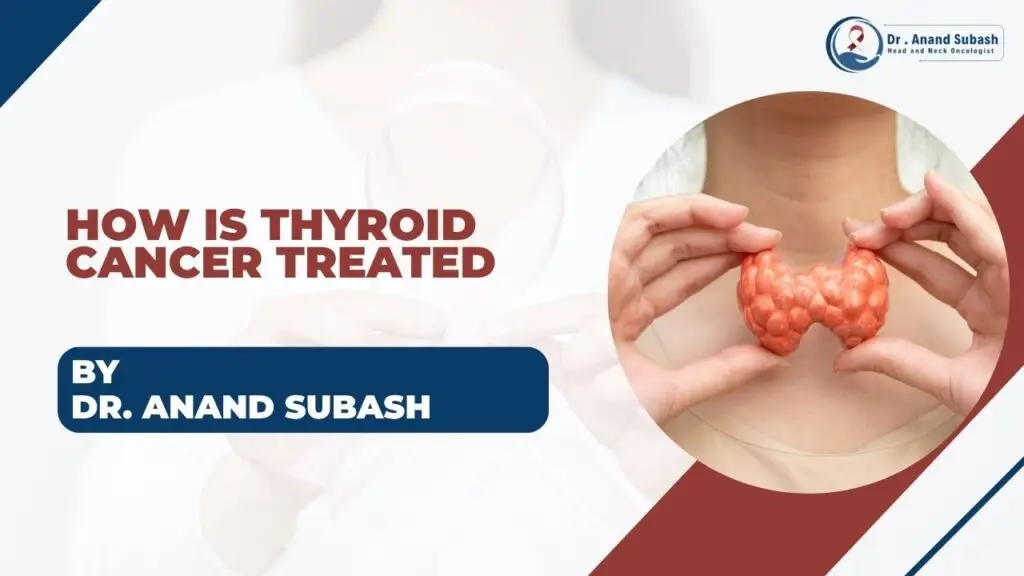
In this insightful video, Dr. Anand Subash, a leading Head and Neck Oncologist in Bangalore, explains the various treatment options for thyroid cancer, including surgery, radioactive iodine therapy, hormone therapy, and other advanced medical approaches that ensure the best outcomes for patients.
Understanding Thyroid Cancer
The thyroid gland plays an essential role in regulating metabolism, energy levels, and overall hormonal balance. Thyroid cancer occurs when abnormal cells develop in the thyroid tissue, leading to the formation of nodules or tumors.
Early signs may include a painless neck lump, hoarseness, swallowing difficulties, or persistent throat discomfort. Because these symptoms are often subtle, early diagnosis through proper screening and evaluation is crucial.
Treatment Options for Thyroid Cancer
Dr. Anand Subash highlights several effective treatment modalities based on the type and stage of thyroid cancer:
- Surgery:
Surgical removal of the thyroid gland (thyroidectomy) is often the first step. It helps eliminate cancerous tissues and prevents further spread. - Radioactive Iodine Therapy (RAI):
Used after surgery to destroy any remaining thyroid tissue or cancer cells, reducing the risk of recurrence. - Thyroid Hormone Therapy:
Patients are prescribed thyroid hormone pills post-surgery to maintain hormonal balance and suppress the growth of residual cancer cells. - Advanced Treatment Options:
In certain cases, targeted therapies or external radiation may be used to control advanced or recurrent thyroid cancers.
Each treatment plan is customized based on the individual’s condition, age, tumor type, and response to initial therapy — ensuring personalized, evidence-based care.
The Importance of Regular Monitoring
Even after successful treatment, follow-up visits play a vital role in long-term care. Routine blood tests (for thyroglobulin levels), ultrasound scans, and periodic evaluations help detect any signs of recurrence early — ensuring the best possible management.
About Dr. Anand Subash
Dr. Anand Subash is a Senior Consultant – Head and Neck Oncologist and Robotic Surgeon at Manipal Hospitals, Bangalore.
He specializes in the management of thyroid, head, and neck cancers using advanced techniques such as robotic and endoscopic surgeries. Known for his patient-centric approach and precision-based care, Dr. Anand has helped numerous patients achieve excellent recovery outcomes through modern cancer treatment methods.
If you’re seeking expert care for thyroid cancer treatment in Bangalore, Dr. Anand Subash offers comprehensive evaluation, diagnosis, and treatment tailored to each patient’s needs.
Frequently Asked Questions
1. Is thyroid cancer completely curable?
Yes, in most cases, thyroid cancer can be completely cured, especially when diagnosed early and treated appropriately.
2. What are the chances of thyroid cancer coming back?
The recurrence rate is low, but it can occur in some cases. Regular follow-ups and scans are essential for early detection and management.
3. How long is the recovery period after thyroid surgery?
Most patients recover within a few weeks. However, complete hormonal stabilization may take a little longer, depending on individual response and therapy.
4. Will I need lifelong medication after thyroid removal?
Yes, patients who undergo total thyroidectomy will need to take thyroid hormone replacement therapy to maintain normal metabolism.
5. When should I consult a doctor about thyroid issues?
If you notice a lump in your neck, unexplained hoarseness, or swallowing difficulties, it’s important to consult a Head and Neck Oncologist or Endocrinologist for evaluation.
Early detection saves lives.
If you or a loved one has concerns about thyroid health, consult Dr. Anand Subash — one of the most trusted specialists for thyroid cancer treatment in Bangalore.