
Thyroid cancer is one of the most treatable types of cancer, especially when detected early and managed with the right approach. However, as with many cancers, there is always a possibility that it could return even after successful treatment.
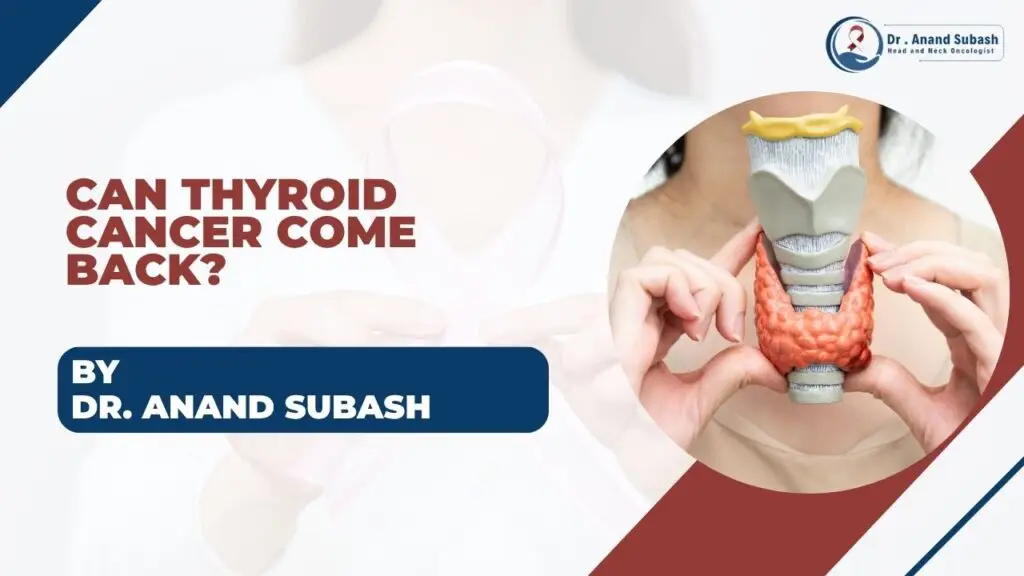
In this insightful discussion, Dr. Anand Subash, a leading Head and Neck Oncologist in Bangalore, explains the chances of thyroid cancer recurrence, the factors that may influence it, and how regular follow-ups play a crucial role in long-term recovery.
Understanding Thyroid Cancer Recurrence
Thyroid cancer recurrence refers to the return of cancer cells after treatment — either in the thyroid bed, lymph nodes, or distant parts of the body. While the risk is relatively low, especially in patients with early-stage cancer, it can vary depending on several factors such as:
- Type and stage of thyroid cancer
- Extent of initial treatment (surgery, radioiodine therapy, etc.)
- Age and overall health of the patient
- Aggressiveness of the cancer cells
Even when the entire thyroid gland is removed, small microscopic cancer cells can sometimes remain undetected and cause a recurrence later.
Importance of Regular Monitoring
Dr. Anand emphasizes that regular follow-up visits and monitoring are key to preventing complications. These include periodic blood tests to check thyroglobulin levels, ultrasound scans of the neck, and sometimes whole-body scans to detect any signs of recurrence early.
Early detection allows for prompt management — often with minimal treatment — and helps patients maintain a high quality of life.
Living Beyond Thyroid Cancer
With advances in modern oncology, most people diagnosed with thyroid cancer go on to live long, healthy lives. Maintaining a positive outlook, adhering to medical advice, and keeping up with scheduled reviews are vital steps to staying cancer-free.
If you have been treated for thyroid cancer, staying informed and vigilant about your health can make all the difference in achieving long-term wellness.
About Dr. Anand Subash
Dr. Anand Subash is a Senior Consultant Head and Neck Oncologist and Robotic Surgeon at Manipal Hospitals, Bangalore.
With extensive experience in treating complex head, neck, and thyroid cancers, Dr. Anand is known for his expertise in robotic, endoscopic, and minimally invasive surgeries. His patient-centered approach and commitment to precision-based care make him one of the most trusted specialists for thyroid cancer treatment in Bangalore.
Frequently Asked Questions
1. Can thyroid cancer come back after complete removal of the thyroid gland?
Yes, recurrence is possible even after total thyroidectomy. This happens if microscopic cancer cells remain undetected during treatment. Regular monitoring helps detect such cases early.
2. How often should I follow up after thyroid cancer treatment?
Typically, follow-ups are recommended every 6–12 months, depending on your doctor’s advice and individual risk factors.
3. What are the signs that thyroid cancer might have returned?
Common signs may include swelling or lumps in the neck, persistent cough, voice changes, or unexplained fatigue. Any new or unusual symptom should be evaluated promptly.
4. Can lifestyle changes reduce the risk of recurrence?
While no lifestyle change can completely prevent recurrence, maintaining a healthy diet, managing stress, and adhering to prescribed thyroid hormone therapy can support recovery and overall health.
5. Is thyroid cancer recurrence treatable?
Yes. Most cases of recurrent thyroid cancer can be effectively managed with surgery, radioactive iodine therapy, or other targeted treatments depending on the location and extent of recurrence.
If you’ve undergone thyroid cancer treatment, stay proactive about your follow-ups. Early detection saves lives.
To consult Dr. Anand Subash for thyroid cancer treatment in Bangalore, book your appointment today.