
Oral cancer is one of the most common yet preventable cancers affecting the head and neck region. Despite advancements in medical technology, many patients are still diagnosed at advanced stages due to lack of awareness about risk factors and early warning signs. According to Dr. Anand Subash, a renowned Oral Cancer Surgeon in Bangalore, understanding who is at risk plays a crucial role in early detection and successful treatment.
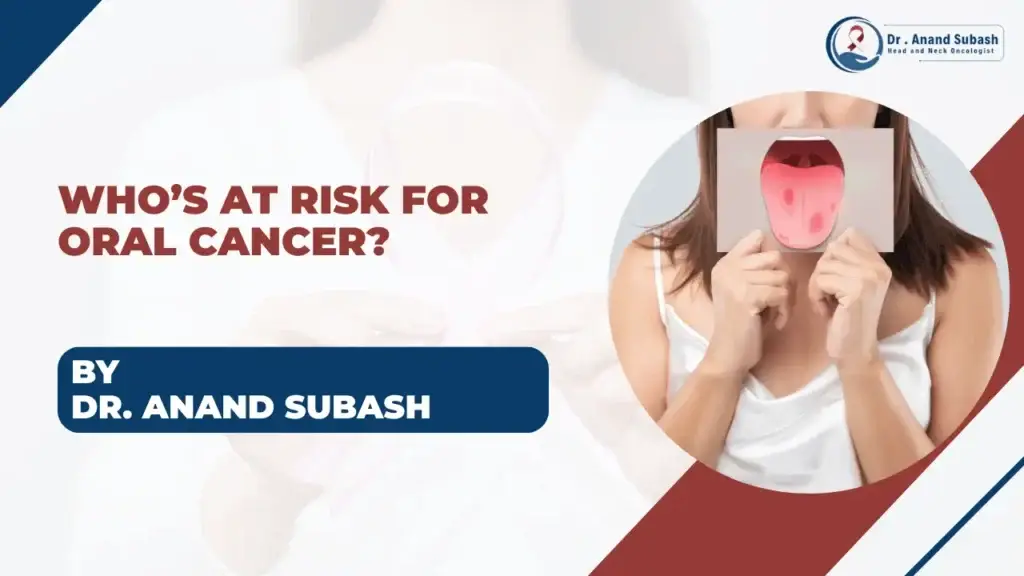
As a highly experienced Head and Neck Oncologist in Bangalore, Dr. Anand Subash emphasizes that oral cancer does not develop overnight. It is often the result of long-term exposure to certain lifestyle habits, infections, or environmental factors.
What Is Oral Cancer?
Oral cancer refers to cancer that develops in the mouth, including the lips, tongue, cheeks, gums, floor of the mouth, hard palate, and the area behind the wisdom teeth. It is a part of head and neck cancers and requires specialized care from an expert oral cancer surgeon.
With early diagnosis and advanced surgical techniques such as minimally invasive and robotic surgery oral cancer can be treated effectively with improved outcomes and faster recovery.
Who Is at Higher Risk for Oral Cancer?
1. Tobacco Users (Smoked and Smokeless)
The most significant risk factor for oral cancer is tobacco use. This includes:
- Cigarettes, cigars, and pipes
- Chewing tobacco, gutkha, khaini, and paan with tobacco
2. Alcohol Consumption
Excessive alcohol intake significantly increases oral cancer risk, especially when combined with tobacco use. Alcohol weakens the protective lining of the mouth, allowing harmful substances to penetrate deeper into tissues.
3. HPV (Human Papillomavirus) Infection
HPV, particularly HPV-16, is increasingly linked to oral and throat cancers. These cancers are often seen in younger individuals with no history of smoking or drinknced diagnostic evaluation
4. Poor Oral Hygiene and Chronic Irritation
Ill-fitting dentures, sharp teeth, and long-standing mouth ulcers can cause repeated irritation, which may contribute to cancer development if left untreated.
5. Age and Gender
Oral cancer is more common in individuals over 40 years of age and is seen more frequently in men. However, cases among younger adults are rising due to lifestyle changes and HPV exposure.
6. Family History and Genetic Factors
A family history of cancer can increase susceptibility, making regular screening essential for high-risk individuals.
7. Occupational and Environmental Exposure
Exposure to harmful chemicals, excessive sunlight (lip cancer), and pollutants may also increase the risk of oral cancer.
Why Early Detection Matters
Early-stage oral cancer has a significantly higher cure rate. Warning signs include:
- Non-healing mouth ulcers
- Red or white patches in the mouth
- Persistent pain or numbness
- Difficulty swallowing or speaking
- Lumps in the neck or mouth
Advanced Oral Cancer Treatment in Bangalore
Dr. Anand Subash is widely regarded as the Best Robotic Surgeon in Bangalore for head and neck cancers. Robotic and minimally invasive techniques offer
- High surgical precision
- Preservation of speech and swallowing functions
- Smaller incisions and reduced scarring
- Faster recovery and shorter hospital stays
When Should You See an Oral Cancer Surgeon?
If you have risk factors such as tobacco use, persistent mouth lesions, or unexplained oral symptoms lasting more than two weeks, immediate evaluation is essential. Early consultation with an expert oral cancer surgeon improves treatment success and quality of life.
Frequently Asked Questions (FAQs)
1. Who should get screened for oral cancer?
Individuals who use tobacco, consume alcohol regularly, or have a family history of cancer should undergo routine oral cancer screening by a Head and Neck Oncologist in Bangalore.
2. Is oral cancer curable if detected early?
Yes. Early-stage oral cancer has a high cure rate when treated promptly by an experienced Oral Cancer Surgeon in Bangalore.
3. Can non-smokers develop oral cancer?
Yes. Oral cancer can also occur due to HPV infection, genetic factors, or chronic irritation, even in non-smokers.
4. What role does robotic surgery play in oral cancer treatment?
Robotic surgery allows precise tumor removal while preserving vital structures. Dr. Anand Subash, known as the Best Robotic Surgeon in Bangalore, uses advanced robotic techniques to enhance outcomes and reduce recovery time.
5. How long does recovery take after oral cancer surgery?
Recovery depends on the stage of cancer and type of surgery. Minimally invasive and robotic procedures generally result in faster healing and better functional outcomes.
When should I consult Dr. Anand Subash?
If you notice persistent oral symptoms, lumps, or ulcers lasting more than two weeks, it is advisable to consult Dr. Anand Subash, a leading Head and Neck Oncologist in Bangalore, for expert evaluation and care.