
When people think of oral cancer, smoking and tobacco use are often the first risk factors that come to mind. However, a Head and Neck Cancer Doctor in Bangalore will confirm that even non-smokers can develop oral cancer. While tobacco and alcohol significantly increase the risk, several other factors can contribute to the development of this condition, making awareness crucial for everyone—regardless of lifestyle habits.
What is Oral Cancer?
Oral cancer refers to cancer that develops in the mouth or throat, including the lips, tongue, cheeks, floor of the mouth, hard and soft palate, sinuses, and pharynx. It is a part of a broader category known as head and neck cancers.
Can Non-Smokers Really Get Oral Cancer?
Yes, non-smokers can develop oral cancer. While the risk is lower compared to smokers, it is not zero. In recent years, there has been a noticeable increase in oral cancer cases among individuals who have never used tobacco.
Risk Factors for Oral Cancer in Non-Smokers
1. Human Papillomavirus (HPV)
HPV, especially HPV-16, is one of the leading causes of oral cancer in non-smokers. It is commonly transmitted through oral contact and has been strongly linked to cancers of the throat and tonsils.
2. Genetic Predisposition
A family history of cancer may increase your susceptibility, even if you don’t engage in high-risk behaviors.
3. Poor Oral Hygiene
Chronic irritation due to poor dental care, ill-fitting dentures, or sharp teeth can contribute to abnormal cell growth.
4. Diet and Nutrition
A diet lacking in fruits and vegetables can reduce the body’s ability to fight cancer-causing agents.
5. Excessive Sun Exposure
Lip cancer, a form of oral cancer, can be caused by prolonged exposure to UV radiation.
6. Weakened Immune System
Conditions or medications that suppress immunity can increase cancer risk.
7. Alcohol Consumption
Even without smoking, heavy alcohol use can elevate the risk.
Early Signs and Symptoms to Watch For
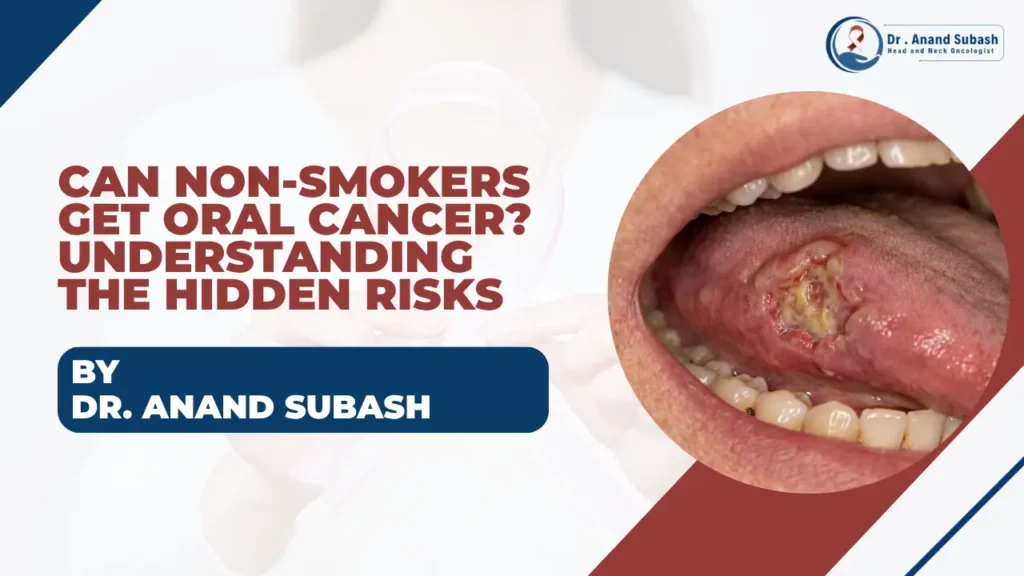
- Persistent mouth sores that don’t heal
- White or red patches inside the mouth
- Difficulty swallowing or chewing
- Lumps or thickening in the cheek
- Chronic sore throat or hoarseness
- Unexplained bleeding in the mouth
Early detection significantly improves treatment outcomes, so timely consultation is essential.
Prevention Tips for Non-Smokers
- Maintain excellent oral hygiene
- Get regular dental check-ups
- Consider HPV vaccination
- Eat a balanced diet rich in antioxidants
- Limit alcohol consumption
- Use lip balm with SPF protection
When Should You See a Doctor?
If any symptoms persist for more than two weeks, it’s important to consult the Head and Neck Cancer Doctor in Bangalore. Early diagnosis can be life-saving and often leads to less invasive treatment options.
FAQs
1. Can oral cancer occur without smoking or drinking?
Yes, oral cancer can develop due to factors like HPV infection, genetics, and poor oral health even in the absence of smoking or alcohol use.
2. What is the main cause of oral cancer in non-smokers?
HPV infection is currently one of the most common causes of oral cancer in non-smokers.
3. Is oral cancer in non-smokers less aggressive?
Not necessarily. The aggressiveness depends on the type and stage of cancer, not just the cause.
4. How can I detect oral cancer early at home?
Look for persistent sores, unusual patches, or lumps in your mouth. Regular self-exams and dental visits are key.
5. Does HPV-related oral cancer have better outcomes?
HPV-related oral cancers often respond better to treatment and may have a more favorable prognosis.
6. Should non-smokers get screened for oral cancer?
Yes, especially if you have risk factors like HPV exposure or family history.