
Why Early Detection of Mouth Cancer Is Critical
Mouth cancer, also known as oral cancer, can affect the lips, tongue, gums, cheeks, floor of the mouth, and throat. In many cases, it develops silently without causing significant pain in the early stages. This is why early detection plays a vital role in improving treatment outcomes. When identified early, mouth cancer has a higher cure rate and often requires less aggressive treatment.
According to Dr. Anand Subash, an experienced Robotic Cancer Surgeon in Bangalore, timely diagnosis not only improves survival but also helps preserve essential functions such as speech, swallowing, and facial appearance.
Common Signs and Symptoms That Should Not Be Ignored
Early symptoms of mouth cancer are often subtle and easily overlooked. Some of the most common warning signs include:
- Mouth ulcers that do not heal within two weeks
- Red or white patches inside the mouth
- Persistent pain, numbness, or burning sensation
- Difficulty chewing, swallowing, or moving the jaw or tongue
- Unexplained bleeding or a lump in the mouth or neck
How Is Mouth Cancer Detected?
Detection of mouth cancer involves a step-by-step clinical approach:
1. Clinical Oral Examination
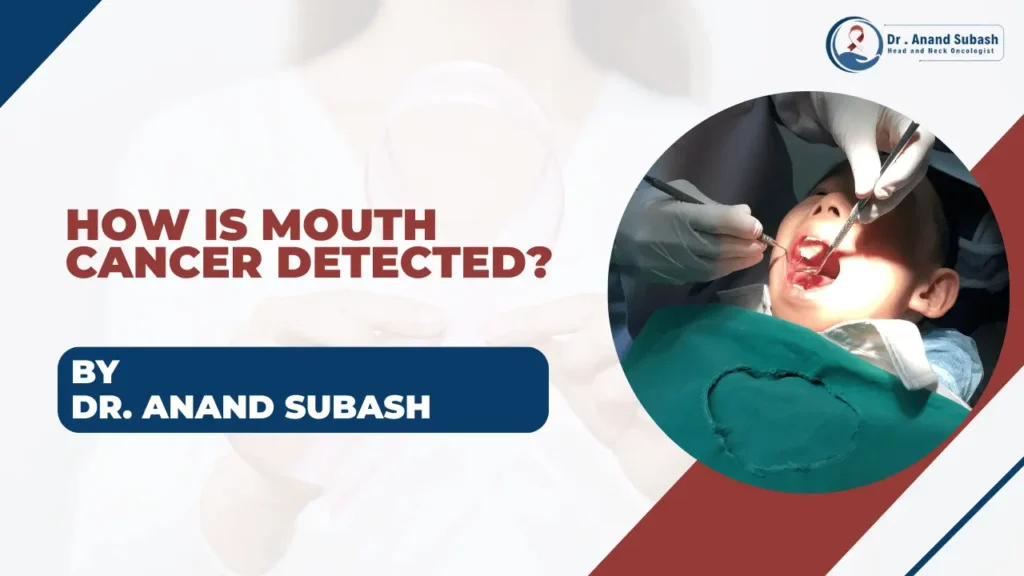
The first step involves a detailed visual and physical examination of the oral cavity and neck. Specialists look for abnormal patches, ulcers, swelling, or lumps. Individuals with high-risk habits such as tobacco or alcohol use should undergo regular oral screenings.
2. Medical History and Risk Assessment
Lifestyle habits such as tobacco use, alcohol consumption, and HPV exposure are carefully reviewed to assess cancer risk. Proper risk assessment plays a crucial role in identifying mouth cancer at an early and more treatable stage.
3. Biopsy for Confirmation
If a suspicious lesion is detected, a biopsy is performed. A small tissue sample is examined under a microscope to confirm the presence of cancer cells. This remains the most definitive method for diagnosing mouth cancer.
4. Imaging Tests
Advanced imaging techniques such as CT scans, MRI, PET scans, and ultrasound help determine the size of the tumor and whether it has spread to nearby lymph nodes. These tests are essential for accurate staging and treatment planning by a Head and Neck Oncologist in Bangalore.
5. Staging and Advanced Diagnostics
Once mouth cancer is confirmed, staging helps determine the most appropriate treatment approach. Early-stage cancers may require limited intervention, while advanced cases benefit from a multidisciplinary treatment plan.
Role of Advanced Surgical Care After Diagnosis
Detection is only the first step. Modern treatment focuses on removing cancer while preserving appearance and function. As a Robotic Cancer Surgeon in Bangalore, Dr. Anand Subash uses advanced surgical techniques that allow precise tumor removal, reduced tissue damage, shorter hospital stays, and faster recovery.
Who Should Get Screened for Mouth Cancer?
Regular screening is especially important for:
- Tobacco and alcohol users
- Individuals with a family history of cancer
- Patients with persistent oral lesions
- People diagnosed with HPV-related conditions
Frequently Asked Questions (FAQs)
1. What is the earliest way to detect mouth cancer?
Routine oral examinations by a specialist are the most effective way to detect mouth cancer early.
2. Is a biopsy always required for diagnosis?
Yes, a biopsy is necessary to confirm the presence and type of cancer.
3. Are diagnostic tests for mouth cancer painful?
Most tests cause minimal discomfort and are performed under local anesthesia when required.
4. Who should consult a specialist for screening?
Anyone with persistent mouth symptoms or high-risk habits should consult a Head and Neck Oncologist in Bangalore.
5. How does robotic surgery help after diagnosis?
Robotic techniques allow precise tumor removal while protecting vital structures, improving recovery and quality of life.
6. When should I consult Dr. Anand Subash?
If you notice non-healing mouth ulcers, unusual patches, or neck lumps, early consultation can help ensure accurate diagnosis and timely treatment.